The Sleep Struggle Is Real: Why Midlife Women Need Quality Rest More Than Ever
If you’ve ever woken up drenched in sweat at 2 a.m. and stared at the ceiling for hours, you’re not alone. For many women in midlife, getting a full night’s sleep feels like a dream that’s just out of reach. Between fluctuating hormones, stress, and the constant pull of our phones, it’s no wonder sleep often takes a back seat. But here’s the truth — sleep isn’t a luxury. It’s essential for your physical, mental, and emotional health.
🌙 Why Sleep Is So Important in Midlife
Sleep is when your body does its best work — repairing tissues, balancing hormones, and resetting your brain for the day ahead. But as we enter our 40s and 50s, hormones like estrogen and progesterone begin to shift, throwing our natural rhythms out of balance.
Estrogen affects your body temperature, which can trigger those notorious hot flashes and night sweats.
Progesterone helps you stay calm and relaxed — so when it drops, insomnia and restlessness can creep in.
And cortisol, the stress hormone, rises when sleep is poor, which can lead to anxiety, weight gain, and blood sugar issues.
According to the Sleep Foundation, 40–50% of women experience sleep disturbances during perimenopause and menopause. Even more striking, over half of perimenopausal women sleep less than seven hours per night, which can raise risks for depression, heart disease, and cognitive decline.
☀️ Resetting Your Circadian Rhythm
Your circadian rhythm — your body’s natural 24-hour clock — tells you when to sleep and wake. But with fluctuating hormones, stress, and screen time, it’s easy to throw that rhythm off. Here’s how to get back on track:
Get natural light early in the day. Step outside within 10 minutes of waking up to signal “morning” to your body.
Move your body. A morning walk or light workout helps boost energy and stabilize hormones.
Eat protein for breakfast. It supports muscle health and balances blood sugar.
Delay caffeine. Try waiting 60–90 minutes after waking before reaching for that coffee.
💤 Evening Habits That Support Deep Sleep
As tempting as it is to scroll through TikTok before bed (guilty!), blue light and stimulation from screens can keep your brain in overdrive. Here are five simple steps to create your sleep sanctuary:
Cool down your bedroom to around 65°F.
Stick to a consistent bedtime — even on weekends.
Power down screens at least an hour before bed.
Create a wind-down routine. Read, stretch, or meditate.
Skip the wine and late-night snacks. Both can disrupt your REM sleep.
A dark, quiet, cool space signals to your body that it’s time to rest. Think of it as setting the mood for your brain to power down.
💪 How Sleep Affects Your Health and Hormones
Sleep impacts far more than just your mood. It supports muscle recovery, brain health, and hormone balance — all critical in midlife. Poor sleep can lead to:
Increased risk of heart disease and metabolic issues
Weight gain and slowed metabolism
Brain fog and poor concentration
Anxiety and mood swings
On the flip side, quality sleep boosts your immune system, improves energy, and helps regulate your appetite and stress response.
🧘♀️ Final Thoughts
Getting enough sleep in midlife might require more intention, but it’s one of the most powerful things you can do for your overall health. Try setting boundaries with screens, cooling your room, or journaling your sleep patterns to spot what works best for you.
Because here’s the truth: when you sleep better, you live better.
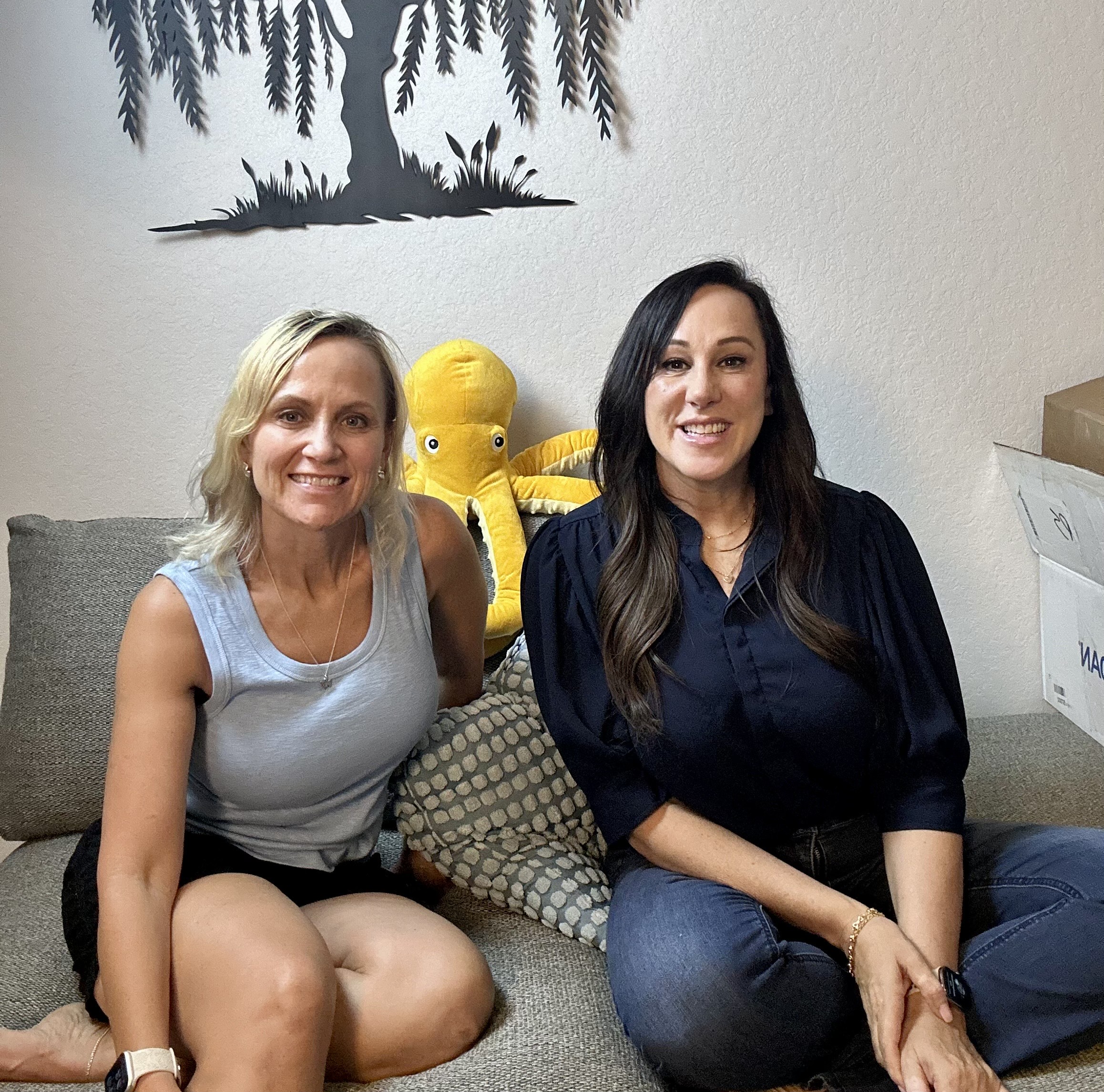
🎧 Listen to the full episode on The No Expiration Date Podcast, where Ann-Marie and Cindy share their personal sleep struggles, midlife tips, and hilarious moments we can all relate to.
Watch on YouTube: https://youtu.be/QhQ43Bs-RtM
👉 Available on Spotify, Apple Podcasts, Podbean, and YouTube.

Co-Host
Here’s a little bit about me! I’m originally from Covina, California — a proud mom, Air Force Veteran, serial entrepreneur, fitness lover, outdoor enthusiast, and solo travel junkie who’s always up for the next adventure! I joined the Air Force in 1993, thinking it would be a short chapter… but almost 24 years later, I retired in 2015 with a career full of unexpected twists, lessons, and growth. Life had a different plan — and I followed it with purpose. Cindy and I were active duty together on Lackland Air Force Base in San Antonio then we both went into the Air National Guard. We have been friends over 20 years. We met while working together as Instructors in the Air Force and have been friends ever since.
I have one daughter who is also in the Air National Guard and lives in Dallas, Texas.
No pets at the moment, but coming soon!

Feeling Stressed? Let’s Talk EFT (Emotional Freedom Technique)